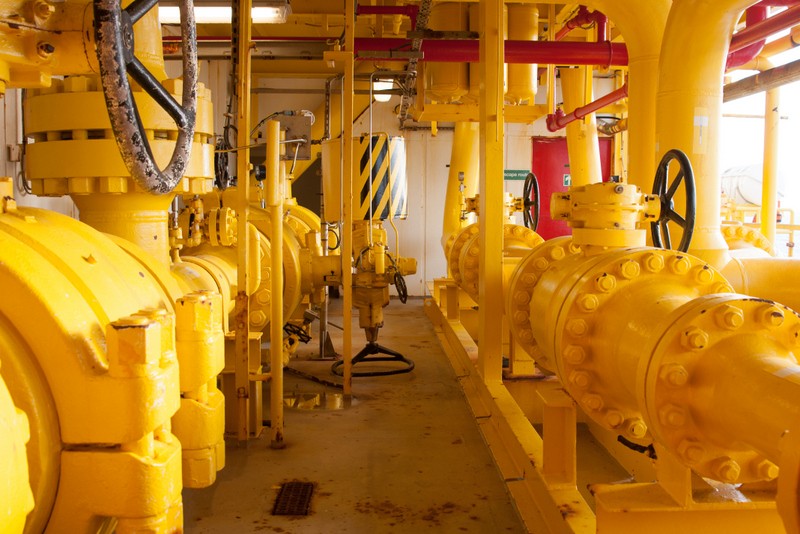
Rust- and acid-resistant materials are used in environments where moisture, chemicals, acids, or other corrosive factors are present. The right choice of material is crucial for the reliability, safety, and service life of a system or component. Examples include applications in the chemical industry, equipment manufacturing, offshore operations, and process plants. Depending on the load, you can choose from various types of stainless steel, such as 304, 316, 316L, duplex, or other high-quality corrosion-resistant alloys. Please contact us for more information.
When should you choose rust- and acid-resistant materials?
Not every corrosive environment places the same demands on the material. 304 stainless steel is often suitable for general applications, while 316 or 316L stainless steel is frequently chosen when there are more severe corrosive conditions, chlorides, or chemical influences. In applications with higher strength requirements or a need for increased resistance to stress corrosion, duplex stainless steel may be a suitable solution. Factors such as the medium, temperature, cleaning, mechanical stress, standards, and desired finish all play a role in the final choice of material.